Showing posts with label 8: Stuffings Sauces and Preserves. Show all posts

Friday, August 31, 2018

Chapter 8: Stuffings, Sauces & Preserves - Completed!

Well folks, another full chapter is complete!

This was a bit of an odds-and-ends one which was full of revelations for me because it covered a large area of cookery even most chefs don’t bother with these days.
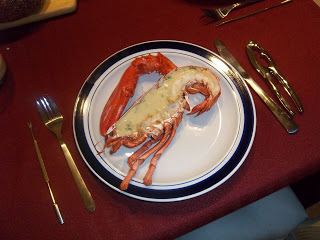
#272 Melted Butter

It’s rather difficult to reflect upon what Jane thought directly, because Chapter 8 is the only one that does not benefit from a written introduction. It was obviously an important area for her though, as she really looks towards under-used ingredients and uses a variety of techniques, so it’s well worth having a look through yourself.
#343 Oyster Stuffing

I – unsurprisingly – split the chapter into the following sections:
8.1: Stuffings (5 recipes)
8.2: Sauces (19 recipes)
8.3: Preserves (21 recipes)
Giving a total of 35 recipes. Click on the hyperlinks to see my review of the individual sections.
The chapter scored an overall mean of 7.6, the highest score so far for a completed chapter, fuelled by three recipes receiving top marks and a lack of total disasters. For those who care (and I know none of you do), here’s a little bar chart showing the mean scores for the chapter as a whole and as separate sections with standard deviation bars.
The five Stuffing recipes are absolutely delicious, with #343 Oyster Stuffing being one of the most delicious things I have ever made. Growing up in a Paxo household meant I simply did not know how good a simple stuffing could be.

The Sauces were diverse and delicious, the simplest – #306 Mint Sauce – being the best, but there are other great recipes, such as #272 Melted Butter and #432 White Devil Sauce.

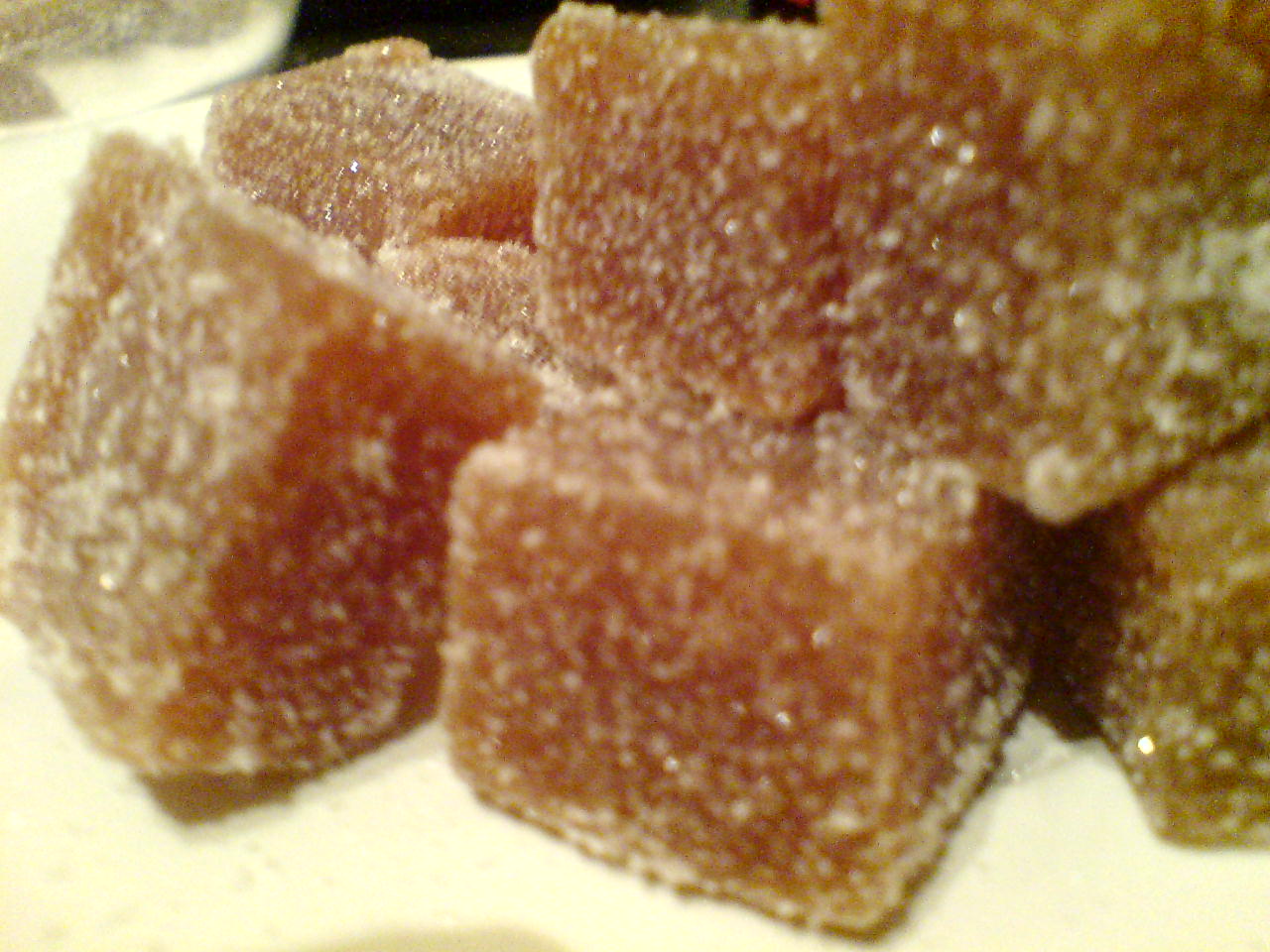
#109 Quince Comfits

There’s a huge variety in the Preserves section too, with Jane avoiding the obvious things like raspberry jam. Instead she uses ingredients like cornel cherries, medlars and sorbs, so you can make preserves you are very unlikely to find in any store or farmers’ market. There is variety too in the types of preserves; jams, jellies, chutneys, sugars, comfits, candies and liqueurs all make an appearance. #397 Herb Jelly is one of my favourites, as is #46 Rich Orangeade, and I have never found a better, or more simple, (#24) Seville Orange Marmalade recipe.

Tuesday, August 21, 2018

8.2: Sauces - completed!


English food has a bad rep wherever you go, and our sauces infamously bad. Indeed, the French only officially recognise one English sauce, and that is custard, or crème Anglaise! The French also find our combination of mint sauce and lamb bizarre, which I cannot understand when, for me, it’s one of the most delicious things one can eat.

#272 Melted Butter

Our sauces are often made with too much flour and end up being rather cloying, plenty of butter and patience and only a little flour are what is required. Using recipes that cut corners, or the purchase of preparatory versions, mean we end up forgetting what many of these foods are supposed to taste like. Jane complains about this throughout the book (and yet still includes them herself; see #411 Calf’s Brains with Curry and Grape Sauce). The British butter sauce (aka #272 Good Melted Butter) is a case in point. My only experience of this sauce was the boil in the bag cod steaks in butter sauce I ate as a child with potatoes and tinned peas, it wasn’t until I made Jane’s version that I realised just how good it could be!
#123 Bread Sauce

All the other classics are here too: mint, bread, Cumberland, apple and all score well, with #306 Mint Sauce being the only sauce to score full marks.

One revelation was tasting home-made #93 Mayonnaise, until I made it for the blog I had never tried it before! It was so different to the bought stuff and just did not know what to make of it. I’ve become quite handy at making my own now, having tweaked Jane’s recipe a little to suit my own tastes, though I do still love the supermarket stuff!

There are only a few disappointing recipes: some of the apple sauce recipes were under par, #170 English Salad Sauce was basically salty cream, nothing like the salad cream I had expected. Not good. The mediaeval #347 Sawce Noyre was simply weird, a thick bread and chicken liver-based sauce that could have been trowelled onto the roast meat with which it was supposed to be served.

#332 Cherry Sauce

There was nothing really shocking though, and the section scored an average mark of 7.3 (and a median of 7.5 and mean of 7). There was a total of 19 recipes, all of which are listed below in the order they appear in the book, along with the scores I gave them and hyperlinks to the original post.


Thursday, August 16, 2018

#432 White Devil Sauce

I have made and experimented with many a devil sauce in my time, but this recipe was always annoyingly elusive due to the inclusion of a tricky-to-find ingredient called Harvey’s sauce. Up until the last couple of decades or so, Harvey’s sauce was widely available, but after searching both delis and the internet for years, I gave up. I managed to find recipes for Harvey’s sauce in Victorian cook books, but it was quite an effort and it is required to sit and mature for years before it is ready. The annoying thing is, only half a teaspoon is required to make this devil sauce! However, it used to be so popular in the 19th Century, I didn’t want to omit or substitute it (plus I would be going against the rules of the blog!).


Just a couple of weeks ago I did one final internet search and Bingo! I found what I was looking for. The reason it was so difficult was that it had had a name change. The original company that produced it – Lazenby’s – was bought out by iconic brand Crosse & Blackwell, which, in turn, was partially-bought out by Premier Foods, who sold it as Worcestershire sauce! Although it was no longer for general sale in the UK, it was still very popular in South Africa; and so, a few minutes and a few mouse clicks later I had ordered a bottle and it was getting shipped over to me. All I had to was wait one week for it to arrive.
In the end, Harvey’s sauce does taste pretty similar to Worcestershire sauce, so if you want to make it, just substitute it for the Lee & Perrins.
In a bowl or small jug mix together 1 teaspoon each of French mustard (Dijon or Moutarde de Meaux), anchovy sauce, wine vinegar, salt and sugar, along with ½ teaspoon each of Harvey’s sauce and Worcestershire sauce.
If you are using the sauce cold to go with cold meats, whip ¼ pint of double cream and fold in the above mixture.
Jane suggests spreading the pieces of cold meat with a little more mustard and pour over the sauce using unwhipped cream and pop into a hot oven until everything has heated through and is lightly browned.

I did neither, instead using the sauce to make devilled chicken livers. For this, get a frying pan or skillet very hot and thrown in a good knob of butter. As soon as the butter stops frothing, place the livers in the pan and leave undisturbed for 2 minutes before turning over and cooking 2 minutes more. Pour over the sauce and turn the livers over in it so that they get a good coating. Have some slices of toast ready and place the livers on top. If necessary, boil down the sauce to an appropriately delicious thickness and pour over the livers. Serve at once.

#432 White Devil Sauce. This was delicious, as devil sauces always are, it was highly seasoned but there wasn't enough devil in it for my tastes; I think it could have done with either a good pinch of Cayenne pepper or a good slug of Tabasco sauce. That said, it was horsed down, so it still gets a good score! 8/10.

Thursday, April 19, 2018

8.3: Preserves - Completed!

#430 Granny Milton's Pears in Brandy

There are only twenty recipes to go until I have cooked the entirety of English Food by Jane Grigson, and that means that I am able to give little overviews each time I finish a section.
The Preserves part of the book is at the very end, and is probably the part that most modern cooks would skip or ignore; it’s not as exciting as the meat and fish chapters for example, and you can buy very good preserves in shops and farmers’ markets these days. However, I would say, for me, it is one of the most important sections. 
The principle reason for its importance is that it introduced me to a whole host of British food plants that I had never heard of (or never thought of eating) such as Cornel cherries, medlars, sorbs, rowanberries, quinces and Seville oranges.

#109 Quince Comfits 

Also, it equipped me with a huge range of skills, because foods were not just being preserved as jams and jellies, but mediaeval comfits, sugars, flavoured spirits, chutneys, candied peel, orangeades and whole fruits. This, in turn, provided me with a backbone to my food business when it first started back in August 2012; I could line up several preserves on my little market stall and if the day was a washout, they would keep for next time.
#294 Preserved Spiced Oranges

Jane’s recipes always fill me with inspiration, and they continue to do so, but her influence here is greatest, because it has given me the most pleasure, which is also the simplest: the pleasure of cooking the recipes themselves.
Some of the recipes are now standards for me. Her (#24) Seville Orange Marmalade is the simplest and best recipe I have used, and her #383 Spiced Redcurrant Jelly too has never been bettered. #397 Herb Jelly is served at almost every roast dinner and is sublime when made with mint and served up with pie and peas.
#315 Cranberry Jelly

Real surprises in this section was the delicious #46 Rich Orangeade, laced with orange flower water has appeared in several of my pop-up restaurants as it makes such good cocktails! I would also urge you to try #385 Apricot and Pineapple Jam, a preserved made from preserves – dried apricots and tinned pineapples. I really didn’t see the point, but the result was delicious!
If you have never made preserves, the recipes in English Food are an excellent place to start.
#354 Passion Fruit Curd

That said, there are some real glaring omissions. There is little by the way of chutneys – there are no pickled onions and how could she leave out glorious piccalilli!? Also, there are no, what I would call, proper jams. Where is the strawberry, apricot, blackcurrant, greengage or raspberry jam? I really have no idea why fresh fruit jams wouldn’t make an appearance at all. I am attempting to fill in recipes that have been missed out on the other blog, so have a look there for more preserves recipes. If you spot something missing, please let me know.
#24 Seville Orange Marmalade

All twenty-one recipes from this section are listed below with a hyperlink to each post and the score I awarded them. It scored a mean mark of 7.5 (or if you’d prefer, a median and mode of 8), making it the third best completed part so far. It scored well most of the time but there was no recipe that achieved a top score of ten out of ten.
#294 Preserved Spiced Oranges (Part I & Part 2) 8.5/10
#127 Banana Chutney 5.5/10
#397 Herb Jellies 8/10
#255 Lemon Curd 8.5/10
#354 Passion Fruit Curd 6.5/10
#109 Quince Comfits 7/10
#20 Quince Vodka (Part 1 and Part 2) 7/10
#36 Vanilla Sugar 7/10
#286 Candied Peel 8/10

Friday, April 13, 2018

#430 Granny Milton's Pears in Brandy


Here is recipe that uses up a glut of hard ‘windfall’ pears, should you have a tree, or know of one nearby. When I first read through this recipe – quite a few years ago now – I made a note to go to Chorlton Meadows, a lovely green area in Manchester that has a relatively unsullied Mersey River snaking through it. When I first started the blog, I had moved from Chorlton and had got to know it quite well, and I knew there was an area called Hardy’s Farm in the meadows, and part of the farm had been orchard full of apple and pear trees as well as gooseberry bushes.

Every year, in late summer, I made sure I visited the site of the farm and EVERY YEAR there were no tasty pears on the pear trees; they were either totally non-existent or shrivelled brown mush. To this day, I have never seen the pears there come to, as it were, fruition.

Not to be beaten, I made sure I planted a nice pear tree on my little allotment. The first year saw dozens of lovely white flowers, some of which I removed as I didn’t want to put the small tree under too much strain when it came to fruit production. It wasn’t too long before the flower petals were shed, and little pears started to grow. Eventually they reached a good size and had blushed with a delicious-looking pink colour, so I reckoned they would start falling soon. The next time I turned up to the allotment my beautiful pears had been STOLEN. I was livid.

After that the pear tree never flowered again.

These are the lengths I go to, dear readers, to follow the recipes as closely as possible; I didn’t want to simply buy some unripe pears from a shop. Anyway, I gave up and bought some.

I have no idea who Granny Milton is, but I assume she had an amazing pear tree in her garden. Well good for her.


First of all prepare your pears – be they windfall or otherwise – by peeling, coring and quartering them. You need 6 pounds in all for Granny Milton’s recipe, but it can easily be adjusted if you have a different amount.

Next zest three lemons and mix the zest with the juice of the lemons and weigh out 4 ½ pounds of granulated sugar.

Find a large bowl and layer up the pears, zest and juice, and sugar. Cover with cling film and leave overnight.

Next day, put the pears and extracted juices in a heavy pan along with a 4 1/2-inch stick of cinnamon and 8 cloves. Put on the lid and bake slowly in an oven preheated to 140°C for 6 hours.

When the time is up, take the pears out of the oven and allow to cool down completely before stirring in 6 tablespoons of brandy. Remove the whole spices and spoon the pears with the juices into sterilised jars and seal. I found that a lot of the sugar didn’t dissolve into the pear syrup, forming a half-inch thick layer of sugar that could peeled from the base of the pan!

Leave the pears to mature in their jars in a dark cupboard or pantry for three months before eating them.

#430 Granny Milton’s Pears in Brandy. Jane doesn’t suggest what to serve these pears with. I have so far eaten them with sharp cheeses or Greek yoghurt. The pear flavour is very much preserved, and the spices really come through, giving good depth of flavour. They turned a beautiful deep translucent orange-brown colour. However, they were extremely sweet, so I’m quite glad that a lot of the sugar didn’t dissolve, I would suggest eating them with tart accompaniments. Not sure they were worth the wait! 5.5/10

Friday, October 7, 2016

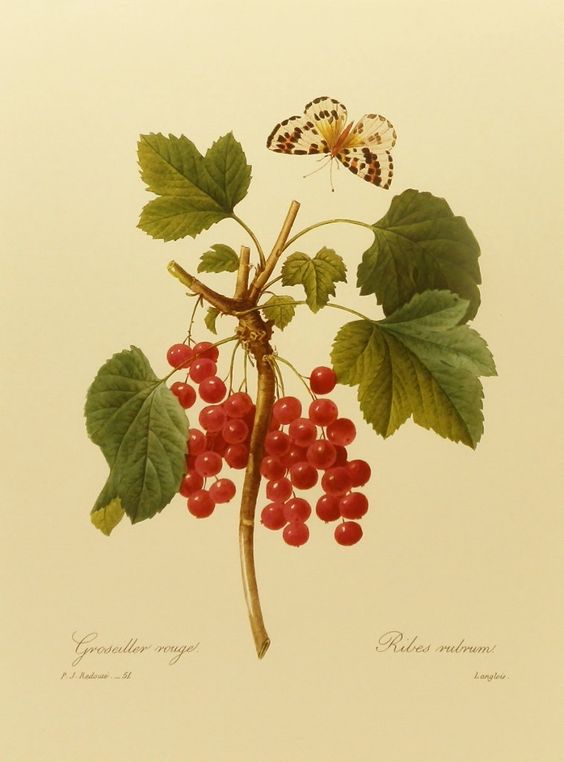
#422 Peppered Redcurrant Jelly


This is the last fruit jelly recipe in the book, and I’ve become somewhat of a seasoned jelly maker, making up my own recipes and these days cooking them up at The Buttery to go with meat and cheese platters, roast meats and the like. This is the second of two redcurrant jelly recipes from English Food.

Redcurrant jelly is considered a rather niche preserved, being served with rich meats such as lamb, venison and other game, or as an ingredient in Cumberland Sauce, but it is versatile; I like it with cheese.

Redcurrant jelly is very much the preserve of the gardener – the delicate berries do not transport well and have a short shelf life, which is why they are expensive to buy fresh. On a recent walk around nearby Chorlton Meadows I found dozens of sprays of ruby-red currants growing out of sight beneath a huge mass of thick brambles. Typically in these situations, I brought neither bag nor tub and so I ate them straight from the bush until acid reflux began. It was a shame really, as I could have made a huge amount of jelly. Hey-ho, I’ll remember this secret spot next year.

Our cultivated redcurrants are actually made up of three distinct species, and the less common whitecurrant is simply a variety of redcurrant that has lost the ability to produce the distinctive red pigment. There is also a pinkcurrant.

Country houses and kitchen gardens particularly in the 18th Century, grew vast amounts of red and white currants; their pectin-rich and tart juice used as a base for dozens of other preserves and sauces. I have never made whitecurrant jelly, and I wonder why one doesn’t see it anywhere?

This redcurrant jelly is enriched with red wine and contains cracked black peppercorns, I imagine it would work just as well using whitecurrants and white wine.

This recipe can be easily scaled up or down, depending on how many redcurrants you have, and the great thing about making a jelly is you don’t have to go through the rigmarole of stripping the berries from their stalks as they all get left behind during straining.

Put three pounds of redcurrants in a saucepan. To this, add around 2 ¼ pints of liquid; between 8 and 16 fluid ounces of it should be red wine, the remainder water. Bring to a boil and simmer until the currants are soft and pulpy. Pass through a jelly sieve or bag and allow to drip overnight.

Next day, place the juice in a saucepan or preserving pan with three pounds of granulated sugar. Put over a medium heat and stir with a wooden spoon until the sugar has dissolved. Remove the spoon and turn the heat up so that the fruity syrup boils enthusiastically. At this point put a saucer in the freezer so you can test for a set later.

After 15-20 minutes boiling, test to see if the jelly has set. There are two ways: (1) use a thermometer, pectin gels set at 105C; (2) the wrinkle test where a few drops of jelly on a cold saucer cool and wrinkle when you scrape them with a finger. I usually do both to be on the safe side. If the jelly isn’t set, boil for another 10 minutes and retest.

Finally, roughly grind about a teaspoon of black peppercorns using a pestle and mortar and stir in right at the end of cooking. Allow to sit for 15-20 minutes before potting in hot, sterilised jars.


#422 Peppered Redcurrant Jelly. This is a delicious jelly, spiked with rough spicy peppercorns giving it both interesting flavour and texture. The red wine doesn’t make it too rich, as you might expect it to, so be generous with it. I am going to use it for some future lamb dishes I think, though I did try a little sample with some good cheese, butter and bread. Very good, 8/10.

Friday, August 1, 2014

#397 Herb Jellies

Here’s a quickie from the Preserves part of the last chapter of English Food.
Herb jellies are apple jellies flavoured with a herb and a little vinegar for piquancy. They can be served with roast meats, cold cuts, cheese, even fish or vegetables such as peas.


You can use any herb you like. On my allotment there are vast amounts of mint, lemon thyme, chives, sage and oregano.
Here are some suggestions to give you some ideas:
Mint; lamb, duck, mushy peas, garden peas, new potatoes
Thyme; chicken and other poultry, pork, rabbit
Lemon thyme; chicken, fish
Sage; Pork
Marjoram/Oregano; pork, chicken, cheese
Chervil; game
I shan’t go on – I’m sure you get the idea!
My patch of mint needed taming so I put both the leaves and stems to good use.
It is pretty straight-forward.
First weigh, then roughly chop, some Bramley or windfall apples and place, skin core and all, in a large pan. Add 3 ½ fluid ounces of white wine vinegar to every 2 pounds of apples. Add enough water to only just cover the fruit. Amongst the apple pieces, tuck in 2 or 3 big springs of your chosen herb. Bring to a simmer and cook until the apples have become all mushy, around 20-25 minutes.


Pass the juice through a jelly bag and allow to drip overnight.
Next day, pour the juice into a preserving pan and to every pint add a pound of granulated sugar. Put on a medium heat and stir until the sugar is dissolved. Turn up the heat and bring to a boil. Keep it on a good rolling boil until setting point is reached.
To test for setting point, bring the juice to a temperature of 104⁰C. To do this, the best thing to do is invest in a sugar thermometer, failing that place a drop or two on a freezing-cold plate and push it with your finger when the jelly is cool. If it wrinkles, it is set. I actually use both methods – the thermometer so that I know I’m there, and the wrinkle test to make doubly sure.
Pour into sterilised jars.

#397 Herb Jellies. This is a great recipe, though I found it too sweet. I adapted it by adding 50% more vinegar, and some of the herb itself, finely chopped, added once the sugar dissolved. Orginal recipe gets a 6.5/0, but it was pretty easy to make it an 8/10.

Sunday, June 8, 2014

#394 Venison Sauce

Here’s a quickie for you – a very easy venison sauce that uses port; there are several with the most famous being #45 Cumberland Sauce (made all the way back in 2008!).

It’s funny, you’d think this simple sauce to accompany venison, as well as other furred game such as #393 Hare, would have been around for yonks, but no, it’s relative newcomer being invented by Queen Victoria’s chef, Charles Elmé Francatelli.
Francatelli

This sauce has but four ingredients: two tablespoons of port wine, eight ounces of redcurrant jelly, a small, bruised stick of cinnamon and the pared rind of a lemon. Boil these ingredients together in a small saucepan, pass through a sieve and serve immediately!
#394 Venison Sauce. Well this was a most delicious sauce that was very sweet and rich. You don’t need much of it but it does perfectly suit those dark, furred game meats, like venison, hare, and (a new species to be added to the list of legal game) grey squirrel. Very good, though not quite as good as the Cumberland Sauce. Apologies for the terrible photo, but I was a bit tipsy after the hare ordeal. 7/10.

Friday, November 8, 2013

#385 Apricot and Pineapple Jam

A recipe from the Preserves part of the final chapter of the book and a recipe that I have been putting off for a good while because it seemed like the most pointless preserve. The two main ingredients, you see, are tinned pineapples and dried apricots WHICH ARE ALREADY PRESERVED! What is the point of that!?

Jane tells us that her mother made this jam during the war, but lost the recipe, but then a stroke of luck; someone sent her a recipe, decades later. And here it is below. I suppose it makes a little bit of sense jazzing up the pineapple and apricots into a jam for high tea at a time of rationing.
The recipe uses not the dried apricots you typically find with the dried fruit in the supermarket, but the kind you find dried whole and rock-hard, with their stones inside. These are readily available at your local Asian grocers.
To begin, you need to soak a pound of the dried apricots in 2 ½ pints of cold water overnight. Take out the stones and crack them open to find the almond-scented kernels within. I find the best way to do this job is to put a dozen or so of the stones in a freezer bag and then swiftly crack them with a hammer. The bag stops the stones from flying everywhere, and a short swift crack with a hammer ensures that – in the main – the stones remain whole.
Put the soaking water along with the apricot flesh in a simmer gently for 30 minutes. Whilst they cook, drain a 12 ounce (375g) tin of pineapple, reserving the juice. Chop the pineapple quite small. Add the juice, the pineapple and kernels to the pan along with 3 pounds of sugar (granulated will do fine) and 4 ounces of blanched, slivered almonds. Bring to a rolling boil until setting point is reached using a sugar thermometer (104⁰C) or by the wrinkle test on a cold saucer.
Let the jam sit for 10 minutes before potting into hot, sterilised jars.
#385 Apricot and Pineapple Jam. This is a great-looking and great-tasting jam. It looks like bejewelled honey with those almonds and kernels floating in there. It doesn’t taste as sweet as I thought it would, and is delicious on toast or in jam tarts. It seems that, although the ingredients did not need further preservation, a jam was created that was greater than the sum of their parts. All art is useless, as Oscar Wilde said. Very good: 8/10.
 

Monday, September 16, 2013

#383 Spiced Redcurrant Jelly


Redcurrant jelly is such an English sundry. Delicious with roast lamb, an essential ingredient in #45 Cumberland Sauce and venison sauce, and a great addition to a ham glaze.

A couple of things are interesting here: first the spice, and second the addition of vinegar. Jane likes adding tart vinegars to here sweet preserves that are used in savoury dishes. It was a revelation when I first came across it, making #367 Hot Red Pepper Jelly, which I was so impressed by I’ve been making it for the market stall.

In the past it has been difficult to get hold of redcurrants in grocers and supermarkets, but this year they seem to have been everywhere. However, I was prompted to make this jelly when I spied a heavily-laden redcurrant bush nestled among a load of 5-foot high weeds in an unruly corner of a vacant plot next to my allotment. How there was so many with all that competition from the weeds I do not know. Naturally, I had forgotten my phone, so I couldn’t photo it. I picked just a fraction of what is asked for in the recipe, but it is very straight-forward to scale down (or up).
Pick over 3 pounds of redcurrants, no need to remove stalks and leaves, and pour into a preserving pan, large saucepan or stockpot along with 1 ½ pints of water, 3 cloves and a teaspoon of ground cinnamon. Turn up the heat and bring to simmering pot and allow it cook until the currants have softened enough to burst open. Strain through a scalded jelly bag and allow it to slowly drip through into a clean bowl overnight.
Next day, pour the strained spiced juice into a clean pan with 3 pounds of granulated sugar and 8 ounces of malt vinegar. Put on a medium heat and stir until the sugar has dissolved, then turn up the heat and allow the jelly to boil for around 10 to 15 minutes before testing for a set. To do this put a few drops on a cold saucer and allow it to cool. Push the jelly with your finger, if it wrinkles, it has set, if not, boil for a further 10 minutes and check again. Alternatively, you can use a jam thermometer – a temperature of 105⁰C is the magic number.
Don't worry about the scum, it's easily got rid of
Let the jelly cool for 10 minutes and remove the scum either with a spoon or by beating in a small knob of butter until the froth dissipates. Pot into sterilised jars.
#383 Spiced Redcurrant Jelly. This is very good indeed. It has a pleasantly sweet and sour tang and is the most beautiful ruby colour; nothing like the bought stuff at all. I used it to accompany some lamb chops one day, and used it to make some lamb gravy on another. The sad thing is that now I have to until next summer to make some more! 8.5/10

Sunday, January 20, 2013

#367 Hot Red Pepper Jelly


Chilli peppers and sweet bell peppers have never really been absorbed into our eating culture. I cannot think of a single English (or indeed British) dish that uses it. You do find some sliced red pepper on a salad, but that’s about it. When Portuguese and Spanish explorers brought them back from their travels to the New World, many of the Southern European and Northern African countries quickly assimilated it into their cooking. Of course, peppers are most successful in Asia. Who can imagine an Thai, Indian or Pakistani curry without it?
Whenever I cook with peppers – sweet or hot – it is always in a curry or an Italian pasta sauce. Well with this recipe I think that Jane Grigson is trying to use peppers in a very English way. In fact it comes from her daughter Sophie Grigson, now a very successful food writer in her own right. I think it is a very British preserve; a clear sweet jelly cut with a bit of vinegar to make it certainly savoury.


Halve and core 2 pounds of cooking apples such as Bramleys seedling, but don’t chuck out the cores (they are a valuable source of pectin). Chop the flesh and blitz in a food processor. Tip them into a preserving pan or stockpot with the reserved cores. Tip in 15 fluid ounces of cider vinegar to prevent the apples from discolouring. Next, deseed and roughly chop 3 red peppers and 4 red chilli peppers. Blitz those up too and add to the pot. 


Bring to a boil and simmer for a good 20 minutes. At this point there will be an absolutely delicious smell. Savour it – the smell from this aromatic sharp concoction is wonderful! Strain the hot mixture through a jelly bag and allow it to drip overnight.


Next day, measure the volume of juice you have and pour it into you pan. Stir in granulated sugar – you’ll need a pound for every pint of juice. Once the sugar has dissolved, turn up the heat and boil for 20 minutes.
Normally, the apples alone have enough pectin in them to easily set a jelly like this, but the chilli peppers somehow interact with the pectin and prevent it from happening. To get around this problem you need to add extra pectin which comes in the form of a viscous liquid or a powder. Grigson suggests using 3 fluid ounces of liquid pectin (e.g. Certo), but you could use a sachet of pectin powder in its place. Whichever you use, mix it well into the boiling jelly. Test for a set using a thermometer; 104⁰C is what you are looking for. This will take about 10 or 15 minutes of hard boiling. It is important to note that you shouldn’t follow the instructions on the packet. Pot the jelly into sterilised jars.

#367 Hot Red Pepper Jelly. This was very refreshing and delicious – the sweet jelly combined with sharp vinegar is a great one that really brought out chilli flavour as well as chilli heat. It was very good with cheese. 8.5/10

Sunday, December 30, 2012

#364 Spiced Apple Sauce


Did you all have a lovely Christmas? I did – certainly when it came to the food. This one is just a quickie, the next post will be more exciting...
On the big day my family decided to go for a roast goose and #180 Roast Beef. Can you believe there is no recipe for roast goose in English Food? There is, however, a recipe for an apple sauce to go with it…
This apple recipe is the final one of four for apple sauce in English Food (for all four, click here), the others have been a little hit and miss; would it be the best? I had high hopes there’s robust spices, brown sugar and sharp Bramley apples and wine vinegar.
Aside from goose, this sauce goes well with salt pork and duck.
Start off by peeling, coring and roughly chopping a pound of Bramley apples. Melt an ounce of butter in a saucepan then add two tablespoons each of water and white wine vinegar before tipping in the apples. Next add your spices; a quarter of a teaspoon each of grated nutmeg, cinnamon and black pepper. Simmer until the apples form a purée. Add more water if need be. Lastly, sweeten the sauce with about an ounce of soft dark brown sugar. Add more spices if you like (I found the amount suggested perfect).
 
#364 Spiced Apple Sauce. This was, by far, the best of all the apple sauces. The sauce was a great mix of tart and sweet and there was such an interesting mix of spices that were warming yet totally savoury. The dash of vinegar enhanced the flavours and gave it a moreish tang that really complemented the rich goose. This will be the only recipe for apple sauce I will use from now on. 9.5/10.